

Geomungo : 이재하 Jae-Ha Lee
Gayageum : 문경아 Kyung-A Moon
Ajaeng : 윤서경 Seo-Kyung Yun
Vocal : 조정희 Jeong-Hee Cho
Vocal : 채수현 Soo-Hyun Chae
Vocal : 김무빈 Mu-Bin Kim
Janggu : 윤재영 Jae-Young Yun, 신원섭 Won-Seob Shin
Percussion (Jing, Kkwaenggwari) : 신원섭 Won-Seob Shin
Recorded by : 서준형 Jun-Hyeong Seo, 임태훈 Tae-hoon Lim
Recorded venue : 언더스탠드 애비뉴 아트스탠드 Mixed, Mastered by 서준형 Jun-Hyeong Seo at SONUS Records
Production Manager : 모아모아프로덕션
moamoa production
트랙리스트
트랙 1. 새벽이 온다 (曙)
트랙 2. 경 (暻)
트랙 3. NAM (南)
트랙 4. 이재하 거문고 산조
Track List (ENG)
Track 1. Dawn Breaks (Seo, 曙)
Track 2. Gyeong (Brightness, 暻)
Track 3. NAM (South, 南)
Track 4. Lee Jae-Ha Geomungo Sanjo
라이너노트 (KOR)
현금제(玄琴祭)는 2011년부터 이어져 온 이재하의 거문고 독주회 시리즈로, 고정된 레퍼토리를 재현하기보다 그 시점에 연주자가 집중하고 있는 음악적 질문과 가락을 무대 위에서 정리하는 방식의 공연이다. 거문고 독주를 중심에 두고 민속음악, 산조, 병주와 창작 음악을 넘나들며 형식과 구성을 유연하게 변화시켜 왔다. 현금제는 완결된 작품을 제시하기보다, 거문고 음악이 형성되고 변형되는 과정을 실제 공연을 통해 점검하고 축적하는 구조로 기능해 왔다. 각 회차는 서로 다른 주제와 구성을 지니지만, 모두 이재하 거문고 산조와 민속음악 어법의 확장이라는 흐름 안에 놓여 있다.
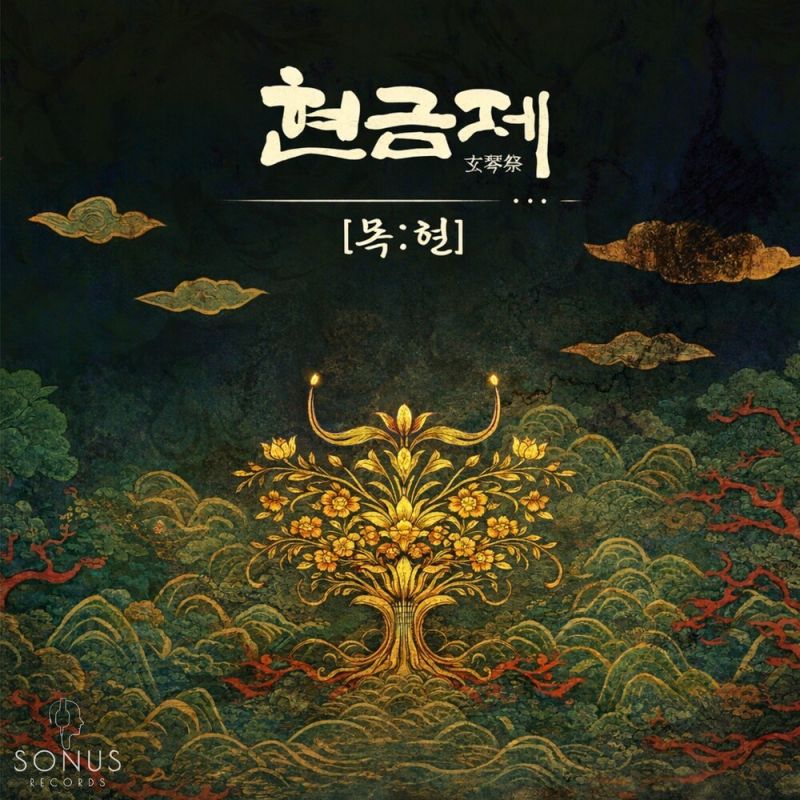
〈현금제: 목현〉은 2025년 11월 30일, 언더스탠드 에비뉴 아트스탠드에서 열린 현금제 독주회 전 과정을 라이브 실황으로 기록한 음원이다. 민요와 잡가, 산조를 주요 소재로 삼아 각 지역의 토리와 시김새를 거문고의 주법과 결합하여 재구성하였으며, 거문고가 음악의 중심을 이루는 방식으로 프로그램을 구성하였다. 편집이나 재구성을 통해 공연을 다듬기보다, 무대 위에서 형성된 장단의 흐름과 음색, 현의 울림을 있는 그대로 남기는 데 목적을 두었다. 이 음반은 완성된 결과물이 아니라, 현재 진행 중인 이재하 거문고 음악의 한 시점을 기록한 아카이브이다.
이 기록은 결론이 아니라, 지금의 거문고 음악을 남긴 하나의 과정이다.
Liner Notes (ENG)
Hyeon-geum-je is an ongoing geomungo solo recital series by Lee Jae-Ha that began in 2011. Rather than reproducing a fixed repertoire, each performance organizes the musician’s current focus—folk music, sanjo, and ensemble practices—into a live format. The series centers on the geomungo as a means of examining how traditional musical language is formed, transformed, and accumulated through performance.
Mokhyeon documents the entire recital held on November 30, 2025, at Understand Avenue Artstand as a live recording. Folk songs, japga, and sanjo serve as the core materials, restructured through regional modes and ornaments with the geomungo placed at the center of the musical structure. Rather than refining the performance through post-production, the recording preserves rhythmic flow, resonance, and the physical vibration of the strings as they occurred on stage. This album is not a final statement, but a record of an ongoing musical process.
트랙 설명 (KOR)
트랙 1. 새벽이 온다 (曙)
밤의 가장 깊은 곳을 지나 첫 빛이 능선을 타고 번져오는 새벽의 과정을 그린다. 메나리 토리와 서도 소리의 정서를 거문고의 줄결 위에 펼치며, 수심가에서 난봉가, 자진난봉가를 거쳐 굿거리와 타령장단으로 이어진다. 낮게 울리는 징의 깊은 울림 위로 꾕과리의 선명한 소리가 더해지며 음악은 절정에 이르고, 다시 평온한 수심가로 돌아온다. 거문고는 길을 내고, 소리는 그 위에 결을 쌓으며 밤의 어둠을 밀어내듯 새벽의 빛을 맞이한다.
트랙 2. 경 (暻)
경토리의 휘모리로 산뜻하게 문을 여는 곡으로, 긴아리랑의 서정적인 선율을 지나 금강산타령과 창부타령으로 이어진다. 경기 음악 특유의 유려한 선율미와 정제된 흐름이 드러나며, 김죽파 가야금 산조 우조 강산제의 가락이 경토리의 밝은 음계와 어우러져 생동감을 더한다. 거문고의 낮고 단단한 울림 위로 가야금, 소리, 장구가 서로의 호흡을 주고받으며 경기 음악의 전통적 멋과 현대적 감각을 함께 드러낸다.
트랙 3. NAM (南)
남도의 짙은 정서를 바탕으로 구성된 작품이다. 2022년 발표한 ‘이재하 거문고 남도민요 – 육자배기’를 출발점으로, 남도 민요의 성음과 감정을 거문고의 언어로 확장해 온 흐름을 이어간다. 윤윤석류 아쟁산조를 중심에 두고 거문고와 아쟁의 병주 형태로 재구성하였으며, 육자배기, 흥타령, 선경춘풍, 구음시나위 등의 가락이 각 장단 속에 엮인다. 이를 통해 전통 계면조의 깊은 맛과 거문고 선율의 확장이 교차하는 ‘NAM’의 세계를 구현한다.
트랙 4. 이재하 거문고 산조
임동식 명인의 거문고 소리에서 영향을 받아 형성된 이재하 거문고 산조를 중심으로 한 독주곡이다. 전통 산조의 어법을 바탕으로 하되, 경기·서도 지역의 음악적 요소를 반영하여 가락과 장단을 지속적으로 변형·확장해 왔다. 현금제 시리즈에서 이 곡은 그간의 연구와 공연을 통해 축적된 가락들이 집약되는 지점으로, 현재 진행형의 이재하 거문고 산조를 보여준다.
Track Descriptions (ENG)
Track 1. Dawn Breaks (Seo, 曙)
This piece depicts the gradual emergence of dawn, as the first light spreads over the ridgeline after the deepest hour of night. Drawing on the emotional character of menari-tori and Seodo folk song traditions, the music unfolds across the strings of the geomungo. Beginning with Susimga, it moves through Nanbongga and Jajin Nanbongga, progressing into Gutgeori and Taryeong rhythms before returning to a calm Susimga. The deep resonance of the jing lies beneath the music like the quiet breath of early morning, while the sharp strikes of the kkwaenggwari illuminate the climax like the rising sun. The geomungo lays the path, and the voices build their textures above it, as layers of sound gradually dispel the darkness and allow dawn to settle into the melody.
Track 2. Gyeong (Brightness, 暻)
Opening briskly with a hwimori rhythm in the Gyeonggi regional style, this piece moves through the lyrical melody of Long Arirang before flowing into Geumgangsan-taryeong and Changbu-taryeong. The refined melodic lines and clarity characteristic of Gyeonggi music come to the fore, while the Ujo Gangsan-je from Kim Juk-pa’s gayageum sanjo adds vitality through its bright tonal framework. Over the low, grounded resonance of the geomungo, the gayageum, vocals, and janggu exchange breath and timing, creating a balanced interplay that highlights both the elegance of traditional Gyeonggi music and a contemporary sense of ensemble flow.
Track 3. NAM (South, 南)
NAM is rooted in the dense emotional landscape of southern Korean folk music. Building upon Lee Jae-Ha’s 2022 release Lee Jae-Ha Geomungo Namdo Folk Songs – Yukjabaegi, the work continues his exploration of Namdo vocal expression through the language of the geomungo. Centered around the Yoon Yun-seok lineage of ajaeng sanjo, the piece is newly structured as a duet between geomungo and ajaeng. Core Namdo melodies—including Yukjabaegi, Heung-taryeong, Seon-gyeong Chunpung, and Gueum Sinawi—are woven into various rhythmic cycles. Through this process, the depth of the gyemyeon mode and the melodic expansion of the geomungo intersect, shaping the distinctive musical world of NAM.
Track 4. Lee Jae-Ha Geomungo Sanjo
This solo piece centers on Lee Jae-Ha geomungo sanjo, shaped through long-term study and performance influenced by the geomungo sound of master Im Dong-sik. While grounded in the traditional sanjo framework, the work continuously incorporates musical elements from the Gyeonggi and Seodo regions, allowing its melodies and rhythmic structures to evolve. Within the Hyeon-geum-je series, this piece functions as a focal point where accumulated research and performance practice converge, presenting Lee Jae-Ha geomungo sanjo as a living, ongoing form rather than a fixed repertoire. ....
 ....
....